Buy ᓎ.com ?
We are moving the project
ᓎ.com .
Are you interested in purchasing the domain
ᓎ.com ?
domain@kv-gmbh.de · 0541-91531010
Buy ᓎ.com ?
How can non-rechargeable batteries be recharged?
Non-rechargeable batteries, also known as primary batteries, are not designed to be recharged and attempting to do so can be dangerous. These batteries are meant for single use and do not have the ability to be recharged. Attempting to recharge non-rechargeable batteries can lead to leakage, overheating, or even explosion. It is important to use the appropriate type of battery for the intended device and to dispose of non-rechargeable batteries properly after use. **
What is the difference between eneloop rechargeable batteries and conventional non-rechargeable batteries?
Eneloop rechargeable batteries are designed to be recharged and used multiple times, making them more cost-effective and environmentally friendly compared to conventional non-rechargeable batteries, which are meant for single use and disposal. Eneloop batteries also have a lower self-discharge rate, meaning they can hold their charge for longer periods when not in use. Additionally, eneloop batteries are known for their consistent performance over multiple charge cycles, making them a reliable choice for devices that require frequent battery changes. **

Similar search terms for Non-rechargeable
Top-Angebote
Products related to Non-rechargeable:
-
Arctic Hayes Infrared Digital Thermometer – Non-ContactArctic Hayes Infrared Digital Thermometer – Non-Contact (AH650) The Arctic Hayes Infrared Digital Thermometer is a fast, accurate and reliable tool for measuring temperatures of hard-to-reach surfaces without physical contact. A unique 12-point circular laser targeting system gives precise, clear readings every time. With a temperature range of -30°C to +380°C (-22°F to 716°F), this professional-grade thermometer suits HVAC engineers, plumbers, electricians and general trades. Its bright LCD display, built-in alarms and compact design make it a practical choice for quick diagnostics, safety, accuracy and ease of use. Key Features & Benefits Non-Contact Measurement: Measure temperatures of hard-to-reach surfaces without direct contact. 12-Point Circu43,50 £*Shipping: 5,00 £Secure redirect to the provider
-
Urban Nature Culture Vase RelaxedQuiet elegancy comes to life in Urban Nature Culture's vase Relaxed. Handmade in Portugal, this ceramic vase has a shape beyond anything you've seen - it's organic, it flows and steals your heart with its playful ear.123,40 $*Shipping: 0,00 $Secure redirect to the provider




-
What is the difference between a rechargeable battery and a non-rechargeable battery?
The main difference between a rechargeable battery and a non-rechargeable battery is that a rechargeable battery can be recharged and used multiple times, while a non-rechargeable battery can only be used once and then must be disposed of. Rechargeable batteries are typically more expensive upfront but can be more cost-effective in the long run as they can be reused. Non-rechargeable batteries, on the other hand, are generally cheaper but need to be replaced once they are depleted. Additionally, rechargeable batteries are better for the environment as they reduce the amount of waste generated from disposable batteries. **
-
What happens if you charge non-rechargeable batteries?
Charging non-rechargeable batteries can be dangerous and may lead to overheating, leakage, or even explosion. Non-rechargeable batteries are not designed to handle the charging process and can cause damage to the battery or the device it is being used in. It is important to always use the appropriate type of battery for your device and to never attempt to charge non-rechargeable batteries. **
-
Are NiMH batteries non-rechargeable batteries, such as AA?
No, NiMH (Nickel Metal Hydride) batteries are actually rechargeable batteries. They are commonly used in AA and AAA sizes for various electronic devices such as cameras, toys, and remote controls. NiMH batteries can be recharged hundreds of times, making them a more cost-effective and environmentally friendly option compared to non-rechargeable batteries. **
-
How many amperes does a normal, non-expensive, non-rechargeable AA battery have?
A normal, non-expensive, non-rechargeable AA battery typically has a capacity of around 1.5 volts and can deliver a current of approximately 0.1 to 0.3 amperes, depending on the specific brand and type of battery. This means that the battery can provide a continuous current of 0.1 to 0.3 amperes for a certain period of time before its voltage drops below the usable level. Keep in mind that the actual amperage may vary based on the specific battery chemistry and manufacturer. **


Can non-rechargeable batteries be used in a phone with a charging station?
No, non-rechargeable batteries cannot be used in a phone with a charging station. Non-rechargeable batteries are designed for single use and cannot be recharged, so they would not be compatible with a charging station. Additionally, using non-rechargeable batteries in a phone designed for rechargeable batteries could potentially damage the phone or pose a safety risk. It is important to always use the type of battery recommended by the manufacturer for any electronic device. **
Can non-rechargeable batteries get damaged if I connect them to the socket?
Yes, non-rechargeable batteries can get damaged if you connect them to a socket. Non-rechargeable batteries are not designed to be recharged, and attempting to do so can cause them to overheat, leak, or even explode. It is important to only use the appropriate type of battery for your devices and to follow the manufacturer's instructions for proper use and disposal. Connecting non-rechargeable batteries to a socket can be dangerous and should be avoided. **
Top-Angebote
Products related to Non-rechargeable:
-
Energizer Blink Camera Batteries AA 1.5V Non-Rechargeable Lithium Metal 10-PackThe perfect replacement Blink camera batteries are available here in a multipack, offering great value for money. Blink cameras use non-rechargeable 1.5V AA lithium metal batteries. These AA lithium metal batteries are suitable for the Blink XT2 cameras as well as the original Blink XT or XT1. Available in a pack of 10, these lithium AA batteries will hold their power for up to 25 years. These 3Ah (3000mAh) batteries are 50.5mm in length and 14.5mm in diameter. They are ideal for both Blink indoor cameras and outdoor cameras. Order before 3pm and we will dispatch today (Mon-Fri).14,75 £*Shipping: 2,45 £Secure redirect to the provider
-
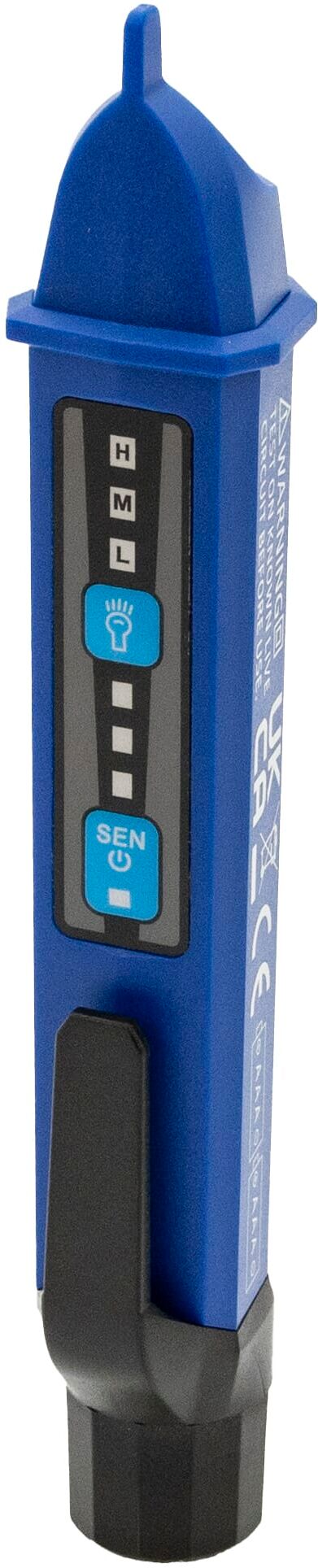
Arctic Hayes Non-Contact Voltage DetectorArctic Hayes Non-Contact Voltage Detector – 12–1000V AC CAT III 1000V Double Insulated The Arctic Hayes AH12 is a non-contact voltage detector for quickly identifying live AC circuits without needing to touch the conductor. It detects voltage from 12V to 1000V AC at 50/60Hz, giving a red LED flash and an audible alarm together when voltage is present, so it's usable in both bright and low-light conditions and where background noise might make an audible-only signal easy to miss. The body is double insulated for additional protection when working near live circuits, and it's rated CAT III 1000V, the correct category for fixed electrical installations such as distribution boards, fixed wiring, motors and industrial equipment. It also includes a built-in flashlight function for checking connections in poorly lit spaces. Compact and light13,32 £*Shipping: 5,00 £Secure redirect to the provider
-
Arctic Hayes Infrared Digital Thermometer – Non-ContactArctic Hayes Infrared Digital Thermometer – Non-Contact (AH650) The Arctic Hayes Infrared Digital Thermometer is a fast, accurate and reliable tool for measuring temperatures of hard-to-reach surfaces without physical contact. A unique 12-point circular laser targeting system gives precise, clear readings every time. With a temperature range of -30°C to +380°C (-22°F to 716°F), this professional-grade thermometer suits HVAC engineers, plumbers, electricians and general trades. Its bright LCD display, built-in alarms and compact design make it a practical choice for quick diagnostics, safety, accuracy and ease of use. Key Features & Benefits Non-Contact Measurement: Measure temperatures of hard-to-reach surfaces without direct contact. 12-Point Circu43,50 £*Shipping: 5,00 £Secure redirect to the provider
-
Urban Nature Culture Vase RelaxedQuiet elegancy comes to life in Urban Nature Culture's vase Relaxed. Handmade in Portugal, this ceramic vase has a shape beyond anything you've seen - it's organic, it flows and steals your heart with its playful ear.123,40 $*Shipping: 0,00 $Secure redirect to the provider
-
How can non-rechargeable batteries be recharged?
Non-rechargeable batteries, also known as primary batteries, are not designed to be recharged and attempting to do so can be dangerous. These batteries are meant for single use and do not have the ability to be recharged. Attempting to recharge non-rechargeable batteries can lead to leakage, overheating, or even explosion. It is important to use the appropriate type of battery for the intended device and to dispose of non-rechargeable batteries properly after use. **
-
What is the difference between eneloop rechargeable batteries and conventional non-rechargeable batteries?
Eneloop rechargeable batteries are designed to be recharged and used multiple times, making them more cost-effective and environmentally friendly compared to conventional non-rechargeable batteries, which are meant for single use and disposal. Eneloop batteries also have a lower self-discharge rate, meaning they can hold their charge for longer periods when not in use. Additionally, eneloop batteries are known for their consistent performance over multiple charge cycles, making them a reliable choice for devices that require frequent battery changes. **
-
What is the difference between a rechargeable battery and a non-rechargeable battery?
The main difference between a rechargeable battery and a non-rechargeable battery is that a rechargeable battery can be recharged and used multiple times, while a non-rechargeable battery can only be used once and then must be disposed of. Rechargeable batteries are typically more expensive upfront but can be more cost-effective in the long run as they can be reused. Non-rechargeable batteries, on the other hand, are generally cheaper but need to be replaced once they are depleted. Additionally, rechargeable batteries are better for the environment as they reduce the amount of waste generated from disposable batteries. **
-
What happens if you charge non-rechargeable batteries?
Charging non-rechargeable batteries can be dangerous and may lead to overheating, leakage, or even explosion. Non-rechargeable batteries are not designed to handle the charging process and can cause damage to the battery or the device it is being used in. It is important to always use the appropriate type of battery for your device and to never attempt to charge non-rechargeable batteries. **
Similar search terms for Non-rechargeable
-
Are NiMH batteries non-rechargeable batteries, such as AA?
No, NiMH (Nickel Metal Hydride) batteries are actually rechargeable batteries. They are commonly used in AA and AAA sizes for various electronic devices such as cameras, toys, and remote controls. NiMH batteries can be recharged hundreds of times, making them a more cost-effective and environmentally friendly option compared to non-rechargeable batteries. **
-
How many amperes does a normal, non-expensive, non-rechargeable AA battery have?
A normal, non-expensive, non-rechargeable AA battery typically has a capacity of around 1.5 volts and can deliver a current of approximately 0.1 to 0.3 amperes, depending on the specific brand and type of battery. This means that the battery can provide a continuous current of 0.1 to 0.3 amperes for a certain period of time before its voltage drops below the usable level. Keep in mind that the actual amperage may vary based on the specific battery chemistry and manufacturer. **
-
Can non-rechargeable batteries be used in a phone with a charging station?
No, non-rechargeable batteries cannot be used in a phone with a charging station. Non-rechargeable batteries are designed for single use and cannot be recharged, so they would not be compatible with a charging station. Additionally, using non-rechargeable batteries in a phone designed for rechargeable batteries could potentially damage the phone or pose a safety risk. It is important to always use the type of battery recommended by the manufacturer for any electronic device. **
-
Can non-rechargeable batteries get damaged if I connect them to the socket?
Yes, non-rechargeable batteries can get damaged if you connect them to a socket. Non-rechargeable batteries are not designed to be recharged, and attempting to do so can cause them to overheat, leak, or even explode. It is important to only use the appropriate type of battery for your devices and to follow the manufacturer's instructions for proper use and disposal. Connecting non-rechargeable batteries to a socket can be dangerous and should be avoided. **
* All prices are inclusive of VAT and, if applicable, plus shipping costs. The offer information is based on the details provided by the respective shop and is updated through automated processes. Real-time updates do not occur, so deviations can occur in individual cases. ** Note: Parts of this content were created by AI.