Buy ᓎ.com ?
We are moving the project
ᓎ.com .
Are you interested in purchasing the domain
ᓎ.com ?
domain@kv-gmbh.de · 0541-91531010
Buy ᓎ.com ?
What does dissociate mean?
Dissociate means to disconnect or separate something from something else. It can refer to a mental process where a person disconnects from their thoughts, feelings, or memories as a defense mechanism. In a chemical context, dissociate means to break apart into smaller components. **
'How do you dissociate?'
Dissociation is a coping mechanism that can occur in response to trauma, stress, or overwhelming emotions. When I dissociate, I may feel disconnected from my thoughts, feelings, or surroundings. It can feel like I am watching myself from outside my body or like I am in a dream-like state. I may also experience memory gaps or have difficulty recalling specific details of the event. It is important for me to practice grounding techniques and seek support from a therapist to help manage and understand my dissociative experiences. **

Similar search terms for Dissociate
Top-Angebote
Products related to Dissociate:
-
Urban Nature Culture Vase Talvi - WhiteFloating the sea waves, a sense of calm takes over, feeling at home in the world. That same feeling we get at home, like a safe haven to relax our senses and feast our eyes on our most cherished things.267,80 $*Shipping: 0,00 $Secure redirect to the provider




-
Can bases dissociate without OH-? If yes, how?
Yes, bases can dissociate without producing OH-. This can occur through a process called protolysis, in which the base accepts a proton (H+) from a solvent or another molecule. This results in the formation of the conjugate acid of the base, without the production of hydroxide ions. For example, ammonia (NH3) can undergo protolysis in water to form the ammonium ion (NH4+), without the generation of hydroxide ions. **
-
How many particles does sodium oxalate dissociate into?
Sodium oxalate dissociates into three particles when it is dissolved in water. This compound breaks apart into one sodium ion (Na+), one oxalate ion (C2O4^2-), and one water molecule (H2O) when it is dissolved in water. Therefore, sodium oxalate dissociates into three particles in total. **
-
Why does hydrogen iodide dissociate more easily than hydrogen fluoride?
Hydrogen iodide (HI) dissociates more easily than hydrogen fluoride (HF) because iodine is a larger atom than fluorine, leading to a weaker bond between hydrogen and iodine compared to hydrogen and fluorine. The larger size of iodine results in a longer bond length and weaker bond strength, making it easier for the hydrogen iodide molecule to break apart into its constituent ions. Additionally, the polarizability of iodine is higher than that of fluorine, making the bond in hydrogen iodide more susceptible to dissociation. **
-
Is the bond between Na and Cl ionic or covalent, and how do Na and Cl dissociate?
The bond between Na and Cl is ionic. This is because Na has a tendency to lose an electron and become positively charged, while Cl has a tendency to gain an electron and become negatively charged. This results in the formation of an ionic bond between the two atoms. When NaCl dissociates, the ionic bond is broken and the Na+ and Cl- ions separate from each other, becoming surrounded by water molecules due to their polar nature. **

Is man a creature of nature or culture, or is culture the nature of man?
Man is a complex being influenced by both nature and culture. While humans are inherently part of the natural world, our behaviors, beliefs, and practices are largely shaped by the societies we live in. Culture can be seen as the nature of man in the sense that it is a fundamental aspect of human existence, shaping our identities and interactions with the world. Ultimately, the relationship between nature and culture is intertwined in shaping the essence of humanity. **
Is man a being of nature or culture, or is culture the nature of man?
Man is a being of both nature and culture. While humans are inherently a part of the natural world, our ability to create and participate in culture sets us apart from other species. Culture shapes our beliefs, behaviors, and interactions with the world, becoming an essential part of our identity. Therefore, culture can be seen as the nature of man, as it influences and defines our existence in profound ways. **
Top-Angebote
Products related to Dissociate:
-
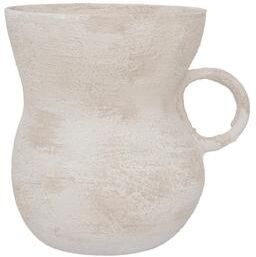
Urban Nature Culture Vase RelaxedQuiet elegancy comes to life in Urban Nature Culture's vase Relaxed. Handmade in Portugal, this ceramic vase has a shape beyond anything you've seen - it's organic, it flows and steals your heart with its playful ear.123,40 $*Shipping: 0,00 $Secure redirect to the provider
-
What does dissociate mean?
Dissociate means to disconnect or separate something from something else. It can refer to a mental process where a person disconnects from their thoughts, feelings, or memories as a defense mechanism. In a chemical context, dissociate means to break apart into smaller components. **
-
'How do you dissociate?'
Dissociation is a coping mechanism that can occur in response to trauma, stress, or overwhelming emotions. When I dissociate, I may feel disconnected from my thoughts, feelings, or surroundings. It can feel like I am watching myself from outside my body or like I am in a dream-like state. I may also experience memory gaps or have difficulty recalling specific details of the event. It is important for me to practice grounding techniques and seek support from a therapist to help manage and understand my dissociative experiences. **
-
Can bases dissociate without OH-? If yes, how?
Yes, bases can dissociate without producing OH-. This can occur through a process called protolysis, in which the base accepts a proton (H+) from a solvent or another molecule. This results in the formation of the conjugate acid of the base, without the production of hydroxide ions. For example, ammonia (NH3) can undergo protolysis in water to form the ammonium ion (NH4+), without the generation of hydroxide ions. **
-
How many particles does sodium oxalate dissociate into?
Sodium oxalate dissociates into three particles when it is dissolved in water. This compound breaks apart into one sodium ion (Na+), one oxalate ion (C2O4^2-), and one water molecule (H2O) when it is dissolved in water. Therefore, sodium oxalate dissociates into three particles in total. **
Similar search terms for Dissociate
-
Urban Nature Culture Vase Talvi - WhiteFloating the sea waves, a sense of calm takes over, feeling at home in the world. That same feeling we get at home, like a safe haven to relax our senses and feast our eyes on our most cherished things.267,80 $*Shipping: 0,00 $Secure redirect to the provider
-
Urban Nature Culture Vase Ace - AceSetting forth a tradition that is centuries old, pottery has ever been one of Portugal's trades. Urban Nature Culture loves to work with Portuguese artisans - who use their skills to combine modern looks and contemporary design with techniques of old.145,60 $*Shipping: 0,00 $Secure redirect to the provider
-
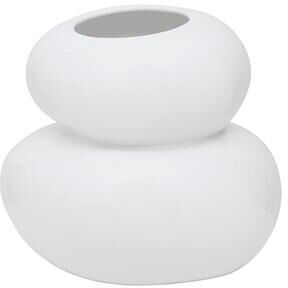
Urban Nature Culture Vase Pebbles White - White"""We can choose to throw stones, to stumble on them, to climb over them or to build with them."" William Arthur Ward Urban Nature Culture chooses to build with stones, and create a one-of-a-kind vase with a playful character."95,70 $*Shipping: 0,00 $Secure redirect to the provider
-
Why does hydrogen iodide dissociate more easily than hydrogen fluoride?
Hydrogen iodide (HI) dissociates more easily than hydrogen fluoride (HF) because iodine is a larger atom than fluorine, leading to a weaker bond between hydrogen and iodine compared to hydrogen and fluorine. The larger size of iodine results in a longer bond length and weaker bond strength, making it easier for the hydrogen iodide molecule to break apart into its constituent ions. Additionally, the polarizability of iodine is higher than that of fluorine, making the bond in hydrogen iodide more susceptible to dissociation. **
-
Is the bond between Na and Cl ionic or covalent, and how do Na and Cl dissociate?
The bond between Na and Cl is ionic. This is because Na has a tendency to lose an electron and become positively charged, while Cl has a tendency to gain an electron and become negatively charged. This results in the formation of an ionic bond between the two atoms. When NaCl dissociates, the ionic bond is broken and the Na+ and Cl- ions separate from each other, becoming surrounded by water molecules due to their polar nature. **
-
Is man a creature of nature or culture, or is culture the nature of man?
Man is a complex being influenced by both nature and culture. While humans are inherently part of the natural world, our behaviors, beliefs, and practices are largely shaped by the societies we live in. Culture can be seen as the nature of man in the sense that it is a fundamental aspect of human existence, shaping our identities and interactions with the world. Ultimately, the relationship between nature and culture is intertwined in shaping the essence of humanity. **
-
Is man a being of nature or culture, or is culture the nature of man?
Man is a being of both nature and culture. While humans are inherently a part of the natural world, our ability to create and participate in culture sets us apart from other species. Culture shapes our beliefs, behaviors, and interactions with the world, becoming an essential part of our identity. Therefore, culture can be seen as the nature of man, as it influences and defines our existence in profound ways. **
* All prices are inclusive of VAT and, if applicable, plus shipping costs. The offer information is based on the details provided by the respective shop and is updated through automated processes. Real-time updates do not occur, so deviations can occur in individual cases. ** Note: Parts of this content were created by AI.